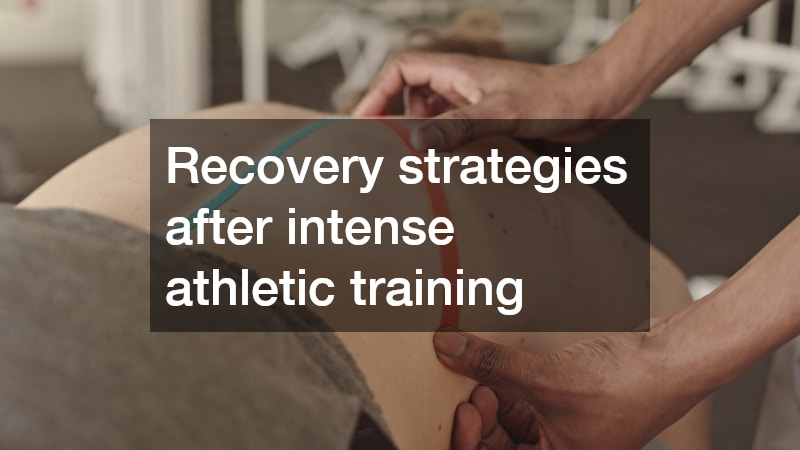

Pushing your body through intense training is only half the equation. What you do in the hours and days afterward determines whether you come back stronger or end up sidelined with nagging pain. Recovery is not passive rest; it is an active process that involves nutrition, movement, sleep, and sometimes professional support. This guide breaks down practical, research-backed strategies you can start using right away.
Prioritize Sleep for Muscle Repair

Sleep is when your body does the heavy lifting of recovery, releasing growth hormone and repairing microtears in muscle fibers caused by hard training. Athletes who skimp on sleep tend to see slower gains, longer soreness, and a higher risk of injury over time. Aim for seven to nine hours a night, and consider a short twenty to thirty-minute nap on especially demanding training days. Consistency matters as much as duration, so try to keep a regular sleep and wake schedule even on weekends.
- Keep your bedroom cool, dark, and free of screens for at least thirty minutes before bed
- Avoid caffeine within six hours of bedtime
- Track sleep quality with a journal or wearable device to spot patterns
- Consider a wind-down routine like light stretching or reading
Refuel With Smart Post Workout Nutrition
What you eat after training directly affects how quickly your muscles rebuild and your energy stores refill. A combination of protein and carbohydrates within an hour of finishing a workout helps kickstart the repair process and replenish glycogen. Aim for roughly a 3:1 ratio of carbs to protein, with 20 to 30 grams of protein being enough to trigger muscle protein synthesis for most athletes.
Many athletes find it convenient to stop by a smoothie shop for a quick blend of fruit, protein, and greens when they do not have time to cook a full meal. This is an easy way to combine fast-digesting carbs from fruit with a solid protein source, and many shops let you customize add-ins like nut butter, oats, or chia seeds for extra calories on heavier training days. It also removes the guesswork of meal prep when you are short on time between sessions or work commitments.
Hydration is equally important, since even mild dehydration can slow recovery and increase perceived soreness. A simple check is to weigh yourself before and after a hard session and drink roughly 16 to 24 ounces of fluid for every pound lost. On longer or hotter workouts, adding electrolytes helps replace sodium and potassium lost through sweat, which supports better fluid absorption than water alone.
- Pair protein with carbs in a three-to-one ratio (carbs to protein) for endurance sessions, or closer to two-to-one after strength training, aiming for roughly 20-30g of protein
- Eat within 30-60 minutes post-workout when your muscles are primed to absorb nutrients most efficiently
- Add electrolytes like sodium, potassium, and magnesium if your session involved heavy sweating, especially in hot or humid conditions
- Choose whole foods when possible, such as chocolate milk, Greek yogurt with fruit, or a turkey sandwich
- If time is tight, a quality smoothie with protein powder, banana, and berries is a solid backup option
- Do not skip your next full meal just because you had a recovery drink, since shakes are meant to supplement, not replace, real food
- Stay consistent with hydration by sipping water throughout the two to three hours following your workout, not just immediately after
Use Active Recovery Days Wisely
Complete rest is not always the best choice after intense training. Light movement such as walking, swimming, or cycling at a low intensity helps flush metabolic waste and keeps blood flowing to sore muscles. This kind of active recovery can reduce stiffness and speed up the return to full performance compared to sitting still all day. The key is keeping the effort genuinely easy, since anything too strenuous defeats the purpose.
Many people find that low-impact water-based movement works especially well for sore joints and muscles. Swim spas have become a popular option for homeowners who want the resistance and buoyancy benefits of swimming without needing a full pool, making it easier to fit in a gentle recovery session without leaving home. The warm water also promotes circulation and can ease tension after a hard training block.
Address Soreness With Targeted Stretching and Mobility Work

Delayed onset muscle soreness typically peaks one to two days after intense exercise, and the right mobility routine can make a noticeable difference in how quickly it resolves. Dynamic stretching before training and static stretching afterward both play a role, but foam rolling and targeted mobility drills often provide the most relief for tight, overworked muscle groups. Focus on the areas that took the brunt of the workout, whether that is hips and hamstrings after a run or shoulders after a swim.
- Hold static stretches for twenty to thirty seconds per muscle group
- Use a foam roller for one to two minutes per problem area
- Incorporate hip openers and thoracic spine rotations for overall mobility
- Never stretch to the point of sharp pain
Know When to Seek Professional Sports Rehab
Some soreness and fatigue are normal, but certain warning signs mean it’s time to stop toughing it out. Pain that lingers beyond 72 hours, swelling that doesn’t subside with rest and ice, sharp or shooting sensations during movement, or a noticeable drop in strength, speed, or range of motion all point to something more serious than routine training stress. If the same tweak keeps flaring up every time you return to a specific drill or lift, that’s your body signaling an unresolved issue rather than simple fatigue.
A qualified sports rehab specialist can assess movement patterns, identify imbalances, and design a recovery plan tailored to your specific sport and injury history. This often includes gait or biomechanical analysis, strength testing on both sides of the body to spot asymmetries, and a review of training load to see whether volume or intensity ramped up too quickly. From there, a rehab plan might combine manual therapy, targeted mobility work, and a phased return-to-play progression rather than a generic rest prescription.
Timing matters as much as the treatment itself. Athletes who seek evaluation within the first week or two of noticing a problem typically recover faster and with less intervention than those who wait months. Waiting too long to address a nagging issue often turns a minor setback into a long-term problem that keeps you out of competition entirely, sometimes requiring imaging, extended physical therapy, or even surgery that early intervention could have avoided.
Not every ache needs a doctor’s visit, but certain warning signs shouldn’t be ignored. If pain lingers beyond a week, worsens with activity, or is accompanied by swelling, bruising, or reduced range of motion, it may be time to visit a sports injury clinic rather than trying to push through it. Sharp or localized pain, as opposed to general muscle soreness, is another red flag that warrants professional evaluation.
These clinics typically offer diagnostic imaging like X-rays or ultrasounds, physical therapy, and hands-on treatment from professionals who specialize in athletic injuries specifically. Because they focus on sports-related conditions, they can often distinguish between a simple strain and something more serious, such as a stress fracture or ligament tear, much faster than a general practitioner might.
Cost and time are common reasons athletes delay care, but waiting often backfires. A minor issue treated early might require just two or three sessions of physical therapy, while the same injury left untreated for weeks can turn into a chronic problem needing months of rehab. Getting expert input early often means a shorter recovery timeline overall, and it can also mean the difference between missing one game and missing an entire season.
Explore Massage and Bodywork for Muscle Recovery
Massage therapy has long been used by athletes to reduce muscle tension, improve circulation, and support faster recovery between training sessions. Techniques like deep tissue work, myofascial release, and sports massage target the specific muscle groups stressed during intense exercise. Many day spas now offer treatments designed specifically for athletes, combining traditional massage with stretching and heat therapy for a more complete recovery session. Regular bodywork can also help you notice tight spots or imbalances before they turn into bigger problems.
- Schedule massage twenty-four to forty-eight hours after intense training for best results
- Communicate pressure preferences clearly with your therapist
- Combine massage with stretching for compounded benefits
- Consider a monthly session even during lighter training periods
Consider Advanced Recovery and Body Composition Tools

Beyond traditional stretching and massage, a growing number of athletes are turning to newer technology to support recovery and physical performance. Emsculpt, for example, uses electromagnetic muscle stimulation and is often marketed for toning, but some athletes use similar technology to support muscle activation and circulation during recovery phases. While these tools should never replace fundamentals like sleep and nutrition, they can be a helpful addition for those looking to optimize every part of their routine. Always research the science behind any new recovery technology before investing time or money into it.
Cold plunges, compression therapy, and infrared sauna sessions are other tools worth exploring if you train intensely on a regular basis. Each works through a different mechanism, whether it is reducing inflammation, improving blood flow, or promoting relaxation. Testing a few options can help you figure out what your body responds to best.
Build Recovery Habits That Support Kids and Young Athletes
Young athletes need recovery strategies too, though their bodies and needs differ from adult competitors. Growing bones and developing muscles are more susceptible to overuse injuries, so rest days and proper technique matter just as much as skill development. A well-run summer camp for kids that focuses on multiple sports rather than a single specialty can actually reduce injury risk by preventing repetitive strain on the same muscle groups. Parents should watch for signs of burnout or overtraining, including persistent fatigue, mood changes, or a sudden drop in enthusiasm for the sport.
- Encourage at least one full rest day per week for young athletes
- Rotate activities to avoid overuse injuries in a single joint or muscle group
- Watch for growth-related pain, which can signal the need for a medical check
- Model good recovery habits like proper hydration and sleep
Take Care of the Small Things That Add Up
Recovery is not only about big interventions, but small habits contribute meaningfully too. Something as simple as a pedicure after a season of running or court sports can help you catch early signs of blisters, ingrown toenails, or fungal issues before they become painful problems. Proper footwear, clean training gear, and basic foot care are often overlooked but play a real role in overall comfort and injury prevention. Taking care of these details frees up mental energy to focus on the bigger picture of training and performance.
If you train at home or are equipping a personal gym space, investing in quality equipment also supports safer recovery sessions. Commercial gym equipment built for durability and proper biomechanics tends to hold up better over years of heavy use compared to budget alternatives, which matters if you are doing mobility work or light resistance training as part of your recovery routine. Well-maintained, properly calibrated equipment reduces the risk of strain during lower-intensity recovery workouts.
Explore Water-Based Recreation for Cross-Training and Recovery
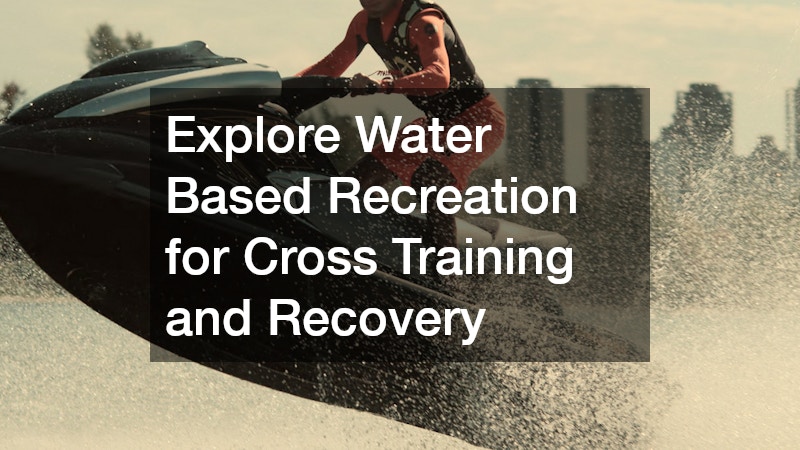
Water sports offer a unique way to stay active while giving overworked joints and muscles a break from high-impact training. Kayaking, paddleboarding, and jet skiing engage stabilizing muscles differently than running or weightlifting, which can support balanced development while still being enjoyable. If you are considering adding watercraft to your recovery and cross-training routine, working with a reputable jet ski dealer can help you find a model suited to your fitness goals and experience level. Time on the water also offers mental recovery benefits, giving your mind a break from the intensity of structured training.
- Start with shorter sessions to gauge how your body responds to new movement patterns
- Wear proper safety gear including a life jacket at all times
- Use water sports as a supplement to, not a replacement for, your core training plan
- Check local regulations and required certifications before purchasing a watercraft
Recovery is not a single action but a collection of habits that work together to keep you training consistently and injury-free. From prioritizing sleep and nutrition to knowing when professional help is needed, every strategy here plays a role in helping your body bounce back stronger. Start by adding one or two of these practices into your routine and build from there based on what your body responds to best. Small, consistent recovery habits today can be the difference between a long, successful athletic career and one cut short by preventable injury.
Pushing your body through intense training is only half the equation. What you do in the hours and days afterward determines whether you come back stronger or end up sidelined with nagging pain. Recovery is not passive rest; it is an active process that involves nutrition, movement, sleep, and sometimes professional support. This guide breaks down practical, research-backed strategies you can start using right away.
Prioritize Sleep for Muscle Repair
Sleep is when your body does the heavy lifting of recovery, releasing growth hormone and repairing microtears in muscle fibers caused by hard training. Athletes who skimp on sleep tend to see slower gains, longer soreness, and a higher risk of injury over time. Aim for seven to nine hours a night, and consider a short twenty to thirty-minute nap on especially demanding training days. Consistency matters as much as duration, so try to keep a regular sleep and wake schedule even on weekends.
- Keep your bedroom cool, dark, and free of screens for at least thirty minutes before bed
- Avoid caffeine within six hours of bedtime
- Track sleep quality with a journal or wearable device to spot patterns
- Consider a wind-down routine like light stretching or reading
Refuel With Smart Post Workout Nutrition
What you eat after training directly affects how quickly your muscles rebuild and your energy stores refill. A combination of protein and carbohydrates within an hour of finishing a workout helps kickstart the repair process and replenish glycogen. Aim for roughly a 3:1 ratio of carbs to protein, with 20 to 30 grams of protein being enough to trigger muscle protein synthesis for most athletes.
Many athletes find it convenient to stop by a smoothie shop for a quick blend of fruit, protein, and greens when they do not have time to cook a full meal. This is an easy way to combine fast-digesting carbs from fruit with a solid protein source, and many shops let you customize add-ins like nut butter, oats, or chia seeds for extra calories on heavier training days. It also removes the guesswork of meal prep when you are short on time between sessions or work commitments.
Hydration is equally important, since even mild dehydration can slow recovery and increase perceived soreness. A simple check is to weigh yourself before and after a hard session and drink roughly 16 to 24 ounces of fluid for every pound lost. On longer or hotter workouts, adding electrolytes helps replace sodium and potassium lost through sweat, which supports better fluid absorption than water alone.
- Pair protein with carbs in a three-to-one ratio (carbs to protein) for endurance sessions, or closer to two-to-one after strength training, aiming for roughly 20-30g of protein
- Eat within 30-60 minutes post-workout when your muscles are primed to absorb nutrients most efficiently
- Add electrolytes like sodium, potassium, and magnesium if your session involved heavy sweating, especially in hot or humid conditions
- Choose whole foods when possible, such as chocolate milk, Greek yogurt with fruit, or a turkey sandwich
- If time is tight, a quality smoothie with protein powder, banana, and berries is a solid backup option
- Do not skip your next full meal just because you had a recovery drink, since shakes are meant to supplement, not replace, real food
- Stay consistent with hydration by sipping water throughout the two to three hours following your workout, not just immediately after
Use Active Recovery Days Wisely
Complete rest is not always the best choice after intense training. Light movement such as walking, swimming, or cycling at a low intensity helps flush metabolic waste and keeps blood flowing to sore muscles. This kind of active recovery can reduce stiffness and speed up the return to full performance compared to sitting still all day. The key is keeping the effort genuinely easy, since anything too strenuous defeats the purpose.
Many people find that low-impact water-based movement works especially well for sore joints and muscles. Swim spas have become a popular option for homeowners who want the resistance and buoyancy benefits of swimming without needing a full pool, making it easier to fit in a gentle recovery session without leaving home. The warm water also promotes circulation and can ease tension after a hard training block.
Address Soreness With Targeted Stretching and Mobility Work
Delayed onset muscle soreness typically peaks one to two days after intense exercise, and the right mobility routine can make a noticeable difference in how quickly it resolves. Dynamic stretching before training and static stretching afterward both play a role, but foam rolling and targeted mobility drills often provide the most relief for tight, overworked muscle groups. Focus on the areas that took the brunt of the workout, whether that is hips and hamstrings after a run or shoulders after a swim.
- Hold static stretches for twenty to thirty seconds per muscle group
- Use a foam roller for one to two minutes per problem area
- Incorporate hip openers and thoracic spine rotations for overall mobility
- Never stretch to the point of sharp pain
Know When to Seek Professional Sports Rehab
Some soreness and fatigue are normal, but certain warning signs mean it’s time to stop toughing it out. Pain that lingers beyond 72 hours, swelling that doesn’t subside with rest and ice, sharp or shooting sensations during movement, or a noticeable drop in strength, speed, or range of motion all point to something more serious than routine training stress. If the same tweak keeps flaring up every time you return to a specific drill or lift, that’s your body signaling an unresolved issue rather than simple fatigue.
A qualified sports rehab specialist can assess movement patterns, identify imbalances, and design a recovery plan tailored to your specific sport and injury history. This often includes gait or biomechanical analysis, strength testing on both sides of the body to spot asymmetries, and a review of training load to see whether volume or intensity ramped up too quickly. From there, a rehab plan might combine manual therapy, targeted mobility work, and a phased return-to-play progression rather than a generic rest prescription.
Timing matters as much as the treatment itself. Athletes who seek evaluation within the first week or two of noticing a problem typically recover faster and with less intervention than those who wait months. Waiting too long to address a nagging issue often turns a minor setback into a long-term problem that keeps you out of competition entirely, sometimes requiring imaging, extended physical therapy, or even surgery that early intervention could have avoided.
Not every ache needs a doctor’s visit, but certain warning signs shouldn’t be ignored. If pain lingers beyond a week, worsens with activity, or is accompanied by swelling, bruising, or reduced range of motion, it may be time to visit a sports injury clinic rather than trying to push through it. Sharp or localized pain, as opposed to general muscle soreness, is another red flag that warrants professional evaluation.
These clinics typically offer diagnostic imaging like X-rays or ultrasounds, physical therapy, and hands-on treatment from professionals who specialize in athletic injuries specifically. Because they focus on sports-related conditions, they can often distinguish between a simple strain and something more serious, such as a stress fracture or ligament tear, much faster than a general practitioner might.
Cost and time are common reasons athletes delay care, but waiting often backfires. A minor issue treated early might require just two or three sessions of physical therapy, while the same injury left untreated for weeks can turn into a chronic problem needing months of rehab. Getting expert input early often means a shorter recovery timeline overall, and it can also mean the difference between missing one game and missing an entire season.
Explore Massage and Bodywork for Muscle Recovery
Massage therapy has long been used by athletes to reduce muscle tension, improve circulation, and support faster recovery between training sessions. Techniques like deep tissue work, myofascial release, and sports massage target the specific muscle groups stressed during intense exercise. Many day spas now offer treatments designed specifically for athletes, combining traditional massage with stretching and heat therapy for a more complete recovery session. Regular bodywork can also help you notice tight spots or imbalances before they turn into bigger problems.
- Schedule massage twenty-four to forty-eight hours after intense training for best results
- Communicate pressure preferences clearly with your therapist
- Combine massage with stretching for compounded benefits
- Consider a monthly session even during lighter training periods
Consider Advanced Recovery and Body Composition Tools
Beyond traditional stretching and massage, a growing number of athletes are turning to newer technology to support recovery and physical performance. Emsculpt, for example, uses electromagnetic muscle stimulation and is often marketed for toning, but some athletes use similar technology to support muscle activation and circulation during recovery phases. While these tools should never replace fundamentals like sleep and nutrition, they can be a helpful addition for those looking to optimize every part of their routine. Always research the science behind any new recovery technology before investing time or money into it.
Cold plunges, compression therapy, and infrared sauna sessions are other tools worth exploring if you train intensely on a regular basis. Each works through a different mechanism, whether it is reducing inflammation, improving blood flow, or promoting relaxation. Testing a few options can help you figure out what your body responds to best.
Build Recovery Habits That Support Kids and Young Athletes
Young athletes need recovery strategies too, though their bodies and needs differ from adult competitors. Growing bones and developing muscles are more susceptible to overuse injuries, so rest days and proper technique matter just as much as skill development. A well-run summer camp for kids that focuses on multiple sports rather than a single specialty can actually reduce injury risk by preventing repetitive strain on the same muscle groups. Parents should watch for signs of burnout or overtraining, including persistent fatigue, mood changes, or a sudden drop in enthusiasm for the sport.
- Encourage at least one full rest day per week for young athletes
- Rotate activities to avoid overuse injuries in a single joint or muscle group
- Watch for growth-related pain, which can signal the need for a medical check
- Model good recovery habits like proper hydration and sleep
Take Care of the Small Things That Add Up
Recovery is not only about big interventions, but small habits contribute meaningfully too. Something as simple as a pedicure after a season of running or court sports can help you catch early signs of blisters, ingrown toenails, or fungal issues before they become painful problems. Proper footwear, clean training gear, and basic foot care are often overlooked but play a real role in overall comfort and injury prevention. Taking care of these details frees up mental energy to focus on the bigger picture of training and performance.
If you train at home or are equipping a personal gym space, investing in quality equipment also supports safer recovery sessions. Commercial gym equipment built for durability and proper biomechanics tends to hold up better over years of heavy use compared to budget alternatives, which matters if you are doing mobility work or light resistance training as part of your recovery routine. Well-maintained, properly calibrated equipment reduces the risk of strain during lower-intensity recovery workouts.
Explore Water-Based Recreation for Cross-Training and Recovery
Water sports offer a unique way to stay active while giving overworked joints and muscles a break from high-impact training. Kayaking, paddleboarding, and jet skiing engage stabilizing muscles differently than running or weightlifting, which can support balanced development while still being enjoyable. If you are considering adding watercraft to your recovery and cross-training routine, working with a reputable jet ski dealer can help you find a model suited to your fitness goals and experience level. Time on the water also offers mental recovery benefits, giving your mind a break from the intensity of structured training.
- Start with shorter sessions to gauge how your body responds to new movement patterns
- Wear proper safety gear including a life jacket at all times
- Use water sports as a supplement to, not a replacement for, your core training plan
- Check local regulations and required certifications before purchasing a watercraft
Recovery is not a single action but a collection of habits that work together to keep you training consistently and injury-free. From prioritizing sleep and nutrition to knowing when professional help is needed, every strategy here plays a role in helping your body bounce back stronger. Start by adding one or two of these practices into your routine and build from there based on what your body responds to best. Small, consistent recovery habits today can be the difference between a long, successful athletic career and one cut short by preventable injury.