
The allure of the open water draws thousands of new enthusiasts to the boating world every single year. The distinct feeling of leaving the shoreline behind and experiencing the absolute freedom of a lake, river, or ocean remains completely unmatched. However, true vessel ownership extends far beyond those sunny afternoons spent cruising or fishing with family and friends. It represents a continuous, multi-year lifecycle that demands careful planning, financial commitment, and a solid understanding of complex marine logistics. From the initial moment an individual decides to acquire a vessel to the eventual day that the watercraft is sold or upgraded, a series of critical operational decisions must be made. Managing these distinct stages effectively ensures that the primary investment remains safe, functional, and highly enjoyable for decades. Experienced mariners frequently emphasize that successful boat ownership relies heavily on building a trusted network of marine professionals. No single owner can handle the specialized engineering, heavy transportation, structural preservation, and mechanical upkeep required to maintain a modern vessel entirely on their own. By thoroughly understanding each unique phase of the ownership cycle, boaters can easily avoid common financial pitfalls, minimize mechanical downtime, and maximize their active time on the water. This comprehensive guide explores the structural milestones of owning a watercraft, examining the practical choices that define a successful marine investment from initial factory production to long-term off-season preservation.
The Initial Research Phase and Testing the Waters
Before investing substantial capital into a private watercraft, prospective buyers must carefully evaluate how they truly intend to utilize their future vessel. The modern marine market offers an overwhelming variety of hull designs, propulsion systems, and luxury cabin configurations. A family looking for casual weekend relaxation on a calm inland lake will have vastly different structural requirements than an avid offshore angler focused on deep-sea tournament fishing. To narrow down these diverse options, many smart individuals choose to gain firsthand operational experience before signing a permanent purchase contract. Utilizing regional pontoon rentals serves as an excellent, low-risk method for active families to gauge their comfort level on local waterways. Spending a full weekend operating a rented vessel allows beginners to understand the practical realities of handling a large boat, managing multiple passengers, docking under pressure, and navigating changing weather conditions without the immediate financial burdens of long-term ownership. This practical exposure helps clarify which onboard features are truly necessary, such as seating layout, fuel capacity, and specific storage configurations. Gathering this valuable information early prevents buyers from purchasing a vessel that fails to meet their actual lifestyle needs, while building foundational operational confidence that proves invaluable once a permanent purchase is finally made.
Evaluating Engineering Standards and Hull Production
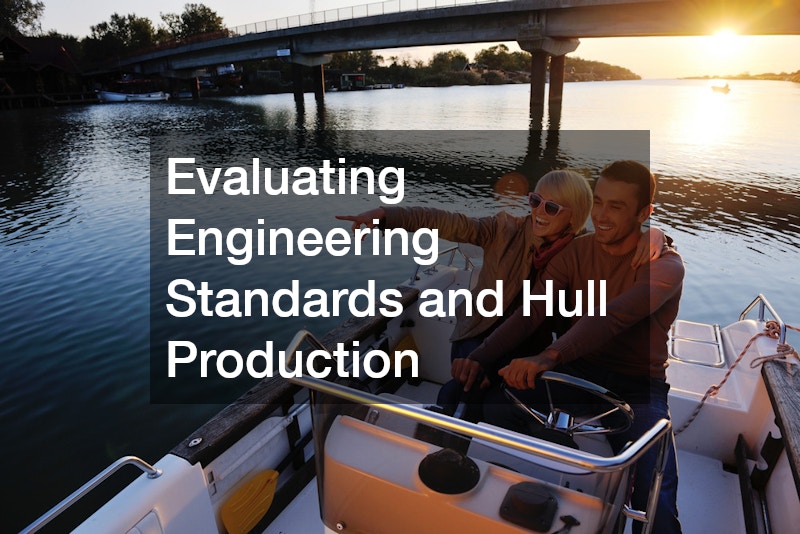
Once the preferred style of boating is clearly established, the buyer’s research must shift toward identifying the entities responsible for building these complex machines. Different boat manufacturers utilize distinct production methods, raw materials, and internal structural designs that directly impact the overall longevity and eventual resale value of a vessel. Some specialized brands focus exclusively on heavy-duty welded aluminum hulls that are ideal for shallow, rocky rivers, while other builders excel in multi-layered, vacuum-infused fiberglass layups designed to cut smoothly through heavy ocean chops. A prospective buyer should investigate how various brands construct their internal stringer systems, reinforce their transoms to handle high-horsepower engines, and route their marine-grade electrical wiring. Examining these critical manufacturing standards allows buyers to choose a brand that aligns perfectly with their regional water conditions and long-term performance expectations. Understanding the precise engineering and structural integrity behind a specific brand gives owners confidence that their investment will withstand intense environmental stressors over time. This careful evaluation phase forms the very foundation for a safe, reliable, and predictable experience on the water for years to come.
Navigating the Purchase Process with Professional Assistance
With a specific brand and model selected, the next logical step in the lifecycle involves visiting a licensed dealership to explore available inventory, custom packages, and marine financing options. Partnering with an established, factory-authorized boat dealer provides buyers with direct access to professional guidance, comprehensive warranty support, and factory-certified mechanical services. Dealership professionals help navigate the complexities of factory accessory options, engine horsepower choices, and specialized electronic packages that enhance the vessel’s daily utility. They also assist with essential legal paperwork, including state registration, coast guard documentation, titling, and specialized marine insurance policies. Furthermore, a reputable dealership ensures that every new or pre-owned vessel undergoes a rigorous pre-delivery inspection process, verifying that all mechanical, electrical, and plumbing systems function flawlessly before ownership is transferred. This professional relationship remains incredibly valuable long after the initial sale is completed, as local dealerships serve as the primary hub for routine factory maintenance, safety recalls, and certified engine diagnostics.
Securing Dependable Road Transportation Equipment
Unless a vessel remains permanently moored at a professional slip, land transportation is a vital component of the entire boat ownership lifecycle. Moving a boat safely and legally between a residential driveway, maintenance shops, and various public launch ramps requires a properly rated, high-quality trailer. Boat owners must consult a specialized trailer dealer to select a road model that matches the exact dry weight, hull length, and structural configuration of their specific watercraft. An undersized, rusted, or poorly fitted trailer can cause severe, irreversible structural damage to a boat’s hull during highway transit and poses a massive safety hazard to other drivers on public roads. The right trailer professional will ensure the chosen equipment features appropriate hydraulic or electric braking systems, heavy-duty axles, waterproof lighting, and corrosion-resistant materials like galvanized steel or thick aluminum. They can also provide professional guidance on proper hitch configurations, ball sizes, and weight distribution techniques, ensuring that highway trailering remains stable, smooth, and entirely predictable under all driving conditions.
Managing Large-Scale and Oversized Marine Transits
While standard consumer trailers are completely perfect for day-to-day highway use with smaller runabouts, larger recreational vessels present entirely distinct logistical challenges. High-displacement motor yachts, wide-beam cruisers, and commercial vessels cannot simply be hitched to the back of a standard consumer pickup truck. When these massive loads must be moved across land for specialized seasonal service, cross-country relocation, or structural repairs, owners must hire dedicated logistics professionals who handle heavy towing operations daily. These specialized transport companies possess the oversized load permits, multi-axle hydraulic trailers, and heavy-duty commercial semi-trucks necessary to move large vessels safely over public highways and city streets. These operators understand exactly how to clear low-hanging utility lines, navigate tight highway construction zones, and secure a multi-ton fiberglass hull without causing structural stress fractures. Relying on certified transport experts protects the valuable vessel from catastrophic road accidents and ensures absolute compliance with all regional and federal transportation laws.
Outfitting the Ideal Waterfront Infrastructure
For individuals fortunate enough to own waterfront property, the focus of the boat ownership lifecycle quickly shifts toward creating a highly functional and protective home port. A private shoreline dock requires specialized hardware, protective bumpers, and mooring accessories to safeguard the vessel from constant wave action, wake damage, and shifting water levels. Homeowners frequently rely on a specialized boat dock supply company to obtain commercial-grade dock cleats, heavy-duty mooring whips, marine-grade solar lighting, and resilient composite fenders. Choosing the correct, durable dock components prevents the hull from constantly rubbing against rough wooden pilings or breaking free completely during severe weather events. Additionally, installing high-quality dock accessories improves overall safety for family members and guests boarding or exiting the vessel, transforming a simple backyard shoreline into a highly efficient, professional-grade home marina that preserves the vessel’s exterior finish.
Implementing Mechanical Shoreline Protection Systems
Leaving a recreational vessel floating continuously in open water for months at a time can lead to serious hull maintenance challenges, including invasive marine growth, osmotic blisters, and severe gelcoat discoloration. To completely eliminate these costly risks, many proactive waterfront homeowners choose to invest in mechanical lifting systems that keep the vessel’s hull entirely dry and clean when it is not actively in use. Working closely with an experienced, licensed boat lift company allows property owners to select and install a lifting system tailored precisely to their specific water depth, shoreline topography, and total vessel weight. These mechanical lifts elevate the heavy boat completely above the active waterline with the simple press of a button, protecting the hull from continuous wave impact and eliminating the expensive need for annual antifouling paint applications. A properly engineered mechanical lift system extends the operational lifespan of the boat’s hull, stern drive, and running gear significantly, making it one of the most financially sound additions a waterfront property owner can make to protect their marine asset.
Customization and Advanced Structural Modifications
As an owner spends more active time on the water, they often identify specific custom upgrades that can enhance the vessel’s overall utility, safety, passenger comfort, or performance. Standard factory options from the assembly line do not always meet the unique, demanding requirements of serious tournament anglers or long-distance coastal cruisers. When off-the-shelf marine accessories prove insufficient or poorly fitted, boat owners turn to professional marine metal fabrication shops to design and construct custom structural solutions. Skilled marine fabricators work exclusively with high-grade anodized aluminum and marine stainless steel to craft bespoke radar arches, custom t-tops, specialized swim platforms, and heavy-duty rod holder configurations. These custom additions are welded directly to the vessel’s core structure, ensuring they can easily withstand the harsh engine vibrations and highly corrosive saltwater environments typical of intensive marine operations. Investing in professional custom fabrication improves the daily utility of the vessel while increasing its long-term aesthetic appeal and overall market resale value.
Executing the Routine Maintenance and Winterization Schedule
The ultimate lifespan of any watercraft depends heavily on the consistency and thoroughness of its preventative maintenance routine. Marine engines operate under high loads and in highly demanding environments, requiring regular engine oil changes, fresh water pump impeller replacements, and cooling system flushes. As the warm summer season inevitably draws to a close in many regions, owners must immediately shift their attention toward preparing the vessel for the freezing winter months. Proper winterization involves stabilizing the fuel system, draining engine water jackets to prevent catastrophic freezing cracks, and fogging internal engine components to protect them from rust. Once the mechanical systems are fully secured, finding appropriate seasonal boat storage becomes the single highest priority for the owner. Leaving an unprotected boat completely exposed to freezing rain, heavy snow accumulation, and persistent UV rays can cause severe, expensive deterioration to vinyl upholstery, gelcoats, and marine electronics. Choosing a secure, covered, or indoor storage option shields the vessel from these harsh winter elements, ensuring it remains in peak condition for the next spring launch.
Selecting the Optimal Off-Site Storage Property
While some homeowners have sufficient space to keep their boat parked on a trailer in a residential driveway, many local municipalities and strict homeowners associations explicitly prohibit long-term boat parking on private residential properties. Consequently, utilizing a commercial boat storage facility is often the most practical, legal, and secure choice for off-season vessel preservation. These specialized commercial properties offer boat owners a variety of options, including climate-controlled indoor storage units, covered metal structural sheds, and secure outdoor spaces equipped with high-security perimeter fencing and continuous video surveillance. Storing a valuable vessel at a professional commercial property minimizes the risk of theft, vandalism, and destructive pest infestations while freeing up valuable residential space. Many premium storage operations also offer additional convenient amenities, such as professional hull washing, winter battery maintenance, and comprehensive spring commissioning services, providing owners with complete peace of mind throughout the cold winter months until the water warms up again.
Long-Term Asset Preservation
Ultimately, navigating the boat ownership lifecycle successfully requires a combination of proactive maintenance and collaboration with trusted experts. Every choice made, from initial trial rentals to selecting winter layout solutions, directly impacts the safety of passengers and the long-term resale value of the watercraft. Treating boat ownership as a continuous journey of structural stewardship ensures that time on the water remains completely reliable and deeply rewarding for many years to come.